› added 5 years ago

180
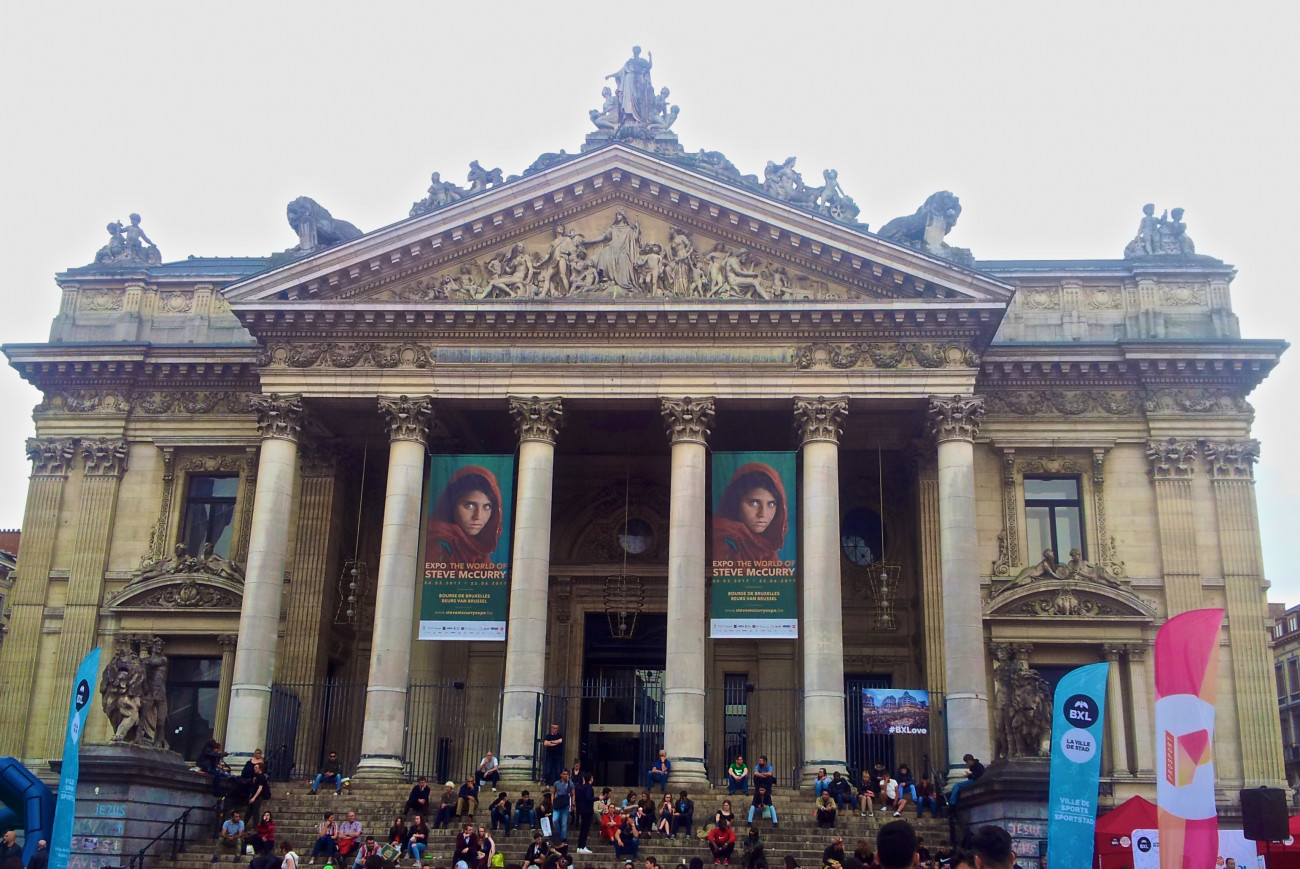
TIL the young, unknown Afghan girl from the 1985 cover of National Geographic was located in 2002 and her identify was confirmed using iris recognition. She remembered being photographed in the mid-80s but had never seen the image of herself as a child before it was shown to her in January 2002.

9YoR6 TIL that the han dynasty was founded because a sheriff let a few inmates escape and didn’t want to die.
WknBo TIL that Fort Ross, built on the coast of California just north of San Francisco, was the southernmost Russian settlement in colonial North America from 1812 to 1841.
BoZd TIL in the US, it is legal for employers to set a maximum IQ for a job. The thinking is that people with high IQs pose a greater risk of quitting compared to those with average IQs.
ADNWa The human brain looks like a big, pinkish-gray, wrinkly walnut. There are so many folds in it that, if it could be unfolded, it could be a small tablecloth. Pinkish-gray might not match your decor, but it would be about the right size! This "tablecloth" is made up of the cerebral cortex and is the wrinkly outside layer of your brain. All those folds are responsible for abstract thought, language, and memory. Scientists believe the wrinkles exist as a way to increase the surface area of the cortex, allowing for increased brainpower in a smaller space. In this week’s Today I Learned, neuroscientist and National Geographic Emerging Explorer Steve Ramirez shares some of his smarts on how your cortex is different from your pet hamster’s.
loQyG TIL The phrase et cetera (“and so forth”), commonly written as etc., is also properly abbreviated "&c". — representing the combination et + c(etera).